%201.avif)

Why Is My Skin Tone Uneven, and How Can I Fix It in Bentonville, Arkansas?
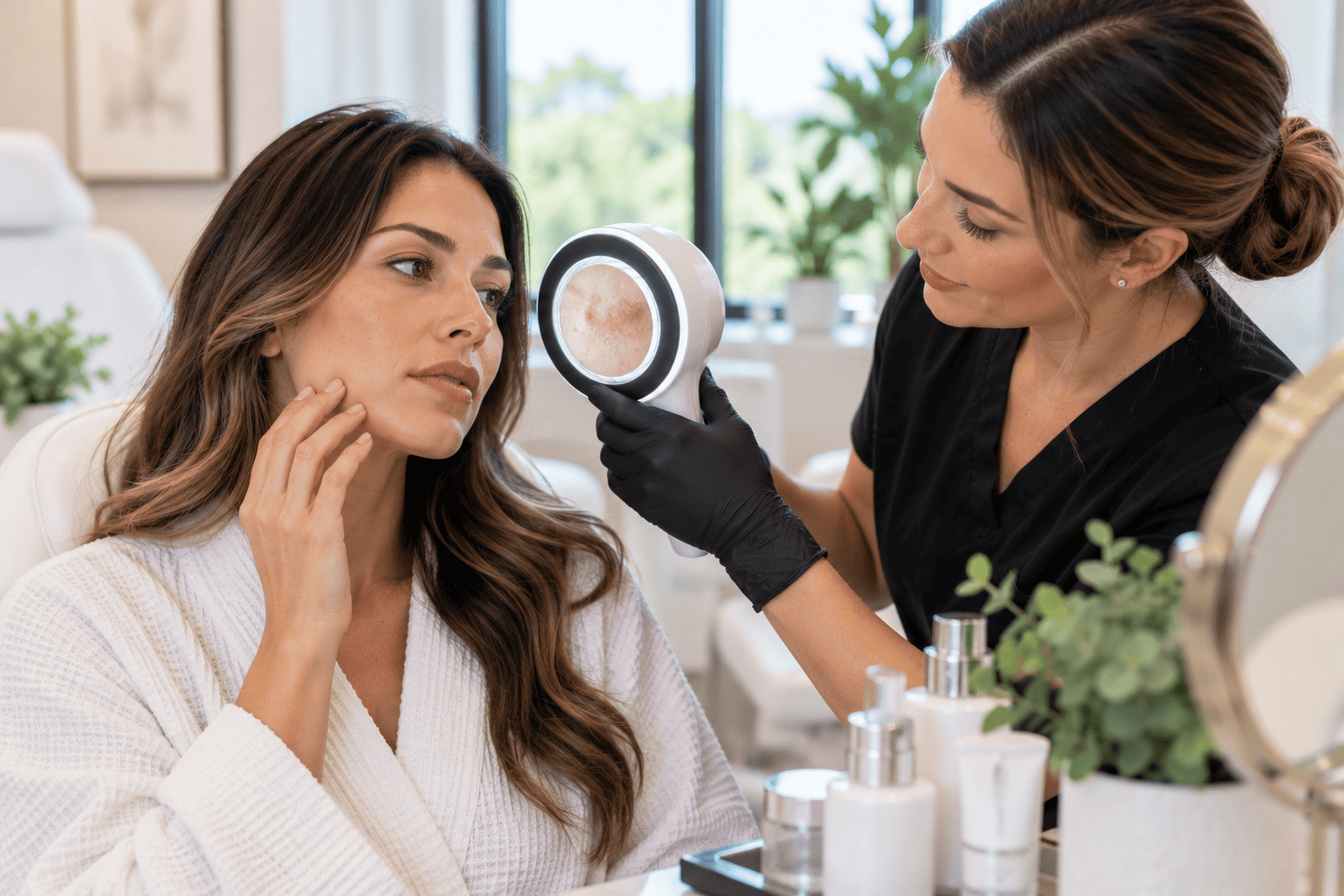
Uneven skin tone is one of those things that can be hard to describe but easy to notice. It is not always about a single dark spot or one obvious blemish. Sometimes it is redness across the cheeks, patches of dullness, or a general lack of that smooth, radiant look skin has when it is at its healthiest. If you have found yourself wondering why your complexion looks blotchy or inconsistent despite a decent skincare routine, understanding uneven skin tone from a few different angles can help you find the right fix.
For people in Bentonville, Arkansas, seasonal shifts between humid summers and dry winters can make skin tone feel like a moving target. What works to calm redness in July might not touch the dullness that shows up in January. Here is what is typically behind uneven tone and what actually helps even things out.
What Causes Skin Tone to Look Uneven?
Uneven tone usually comes from a mix of causes rather than just one, which is why a layered approach to treatment tends to work best.
Sun Damage and Pigment Irregularities
Cumulative sun exposure causes melanin production to become inconsistent across the face, leading to some areas appearing darker than others. This is closely related to broader pigmentation and skin discoloration concerns and is one of the most common drivers of blotchy looking skin.
Redness and Vascular Changes
For some people, uneven tone shows up as persistent redness or visible small blood vessels rather than dark patches. This can be linked to sensitivity, rosacea like tendencies, or simply thinner skin that shows underlying blood vessels more easily.
Buildup of Dead Skin Cells
When dead skin cells are not shed efficiently, they can sit on the surface and create a dull, uneven looking complexion. This is especially common in drier months or in people whose skin naturally turns over more slowly.
Dehydration and Barrier Damage
Skin that lacks adequate hydration often looks flat and inconsistent in tone, even without any actual pigment irregularities. A compromised skin barrier can also make skin more reactive, leading to patches of redness or sensitivity that add to the unevenness.
Is Uneven Skin Tone the Same as Having Dark Spots?
Not exactly. Dark spots are usually distinct, well defined areas of pigmentation, while uneven tone can involve a broader mix of redness, dullness, dryness, and mild discoloration spread across the face. Someone can have perfectly even pigmentation and still feel their skin tone looks inconsistent because of texture, dehydration, or redness rather than actual dark marks.
What Treatments Help Even Out Skin Tone?
Because uneven tone often has more than one cause, combining treatments frequently produces the most noticeable improvement.
Hydrofacials for Overall Brightening
Hydrofacials combine deep cleansing, gentle exfoliation, and hydration into a single treatment, which makes them especially effective for the dullness and dehydration that contribute to uneven looking skin. Many patients notice a brighter, more consistent complexion immediately after a session.
Chemical Peels for Pigment and Texture
Chemical peels target both pigment irregularities and rough texture by encouraging the skin to shed its outer layer and reveal fresher, more evenly toned skin underneath. Peels are a strong option for patients whose uneven tone is driven primarily by sun damage or dead skin buildup.
V-P Treatment for Redness and Vascular Concerns
For uneven tone caused by redness or visible small vessels, a V-P treatment can target those specific concerns directly, helping calm the appearance of redness and creating a more balanced looking complexion.
Dermaplaning for Smoother, More Reflective Skin
Dermaplaning removes the outermost layer of dead skin and fine vellus hair, instantly improving how light reflects off the skin. This can make tone look noticeably more even and helps other treatments and skincare products absorb more effectively afterward.
ZO Skin Health for Daily Maintenance
Consistent use of a ZO Skin Health routine supports even cell turnover and helps maintain results from in office treatments, which matters since skin tone tends to drift back toward unevenness without ongoing care.
What Should You Expect From Treatment?
Because uneven tone often involves multiple underlying factors, most treatment plans are designed as a series rather than a single visit. Hydrofacials and dermaplaning typically have no downtime, making them easy to fit into a regular skincare routine. Chemical peels may involve some flaking depending on depth, and V-P treatments can cause mild redness for a short period afterward. Your provider will help set realistic expectations based on which combination of causes applies to your skin.
Who Should Consider Treatment for Uneven Skin Tone?
Anyone who feels their complexion looks inconsistent, dull, or blotchy despite a reasonable skincare routine is a good candidate for a professional evaluation. Because the causes behind uneven tone vary so much from person to person, a consultation is the best way to figure out whether your main concern is pigment, redness, texture, or some combination of all three.
Keeping Skin Tone Balanced Through Arkansas Seasons
Northwest Arkansas weather does not make it easy on skin. Humid summers can increase oil production and worsen redness, while dry winters tend to bring on dullness and flaking. Building a treatment and skincare plan that adjusts with the seasons is often what keeps results consistent year round rather than only during the months when the weather cooperates.
Bringing Balance Back to Your Complexion
Uneven skin tone rarely comes from just one source, which is exactly why a personalized, multi layered approach tends to work best. Whether your main concern is redness, dullness, or lingering discoloration, there is a combination of treatments that can bring your complexion back into balance. The team at Glotologi Med Spa works with Bentonville patients to build a plan suited to exactly what their skin needs.
If you are ready to talk through your options, schedule a consultation and get a personalized recommendation for your skin.
Frequently Asked Questions
What is the main cause of uneven skin tone? There is rarely just one cause. Sun damage, redness, dehydration, and dead skin buildup are the most common contributors, often overlapping in the same person.
How is uneven skin tone different from having dark spots? Dark spots are distinct, defined areas of pigmentation, while uneven tone can also include redness, dullness, and texture irregularities spread more broadly across the face.
Which treatment works best for uneven skin tone? It depends on the underlying cause. Hydrofacials and peels work well for pigment and texture, while V-P treatment is more effective for redness and vascular related unevenness.
Can uneven skin tone be improved with skincare alone? A good skincare routine helps maintain results, but professional treatments are usually needed to create a meaningful, lasting improvement in tone.
How often should I get treatment for uneven skin tone? Many patients benefit from a series of treatments spaced several weeks apart, followed by periodic maintenance sessions to keep results consistent.