%201.avif)

What Causes Dark Spots and How Are They Treated in Bentonville, Arkansas?
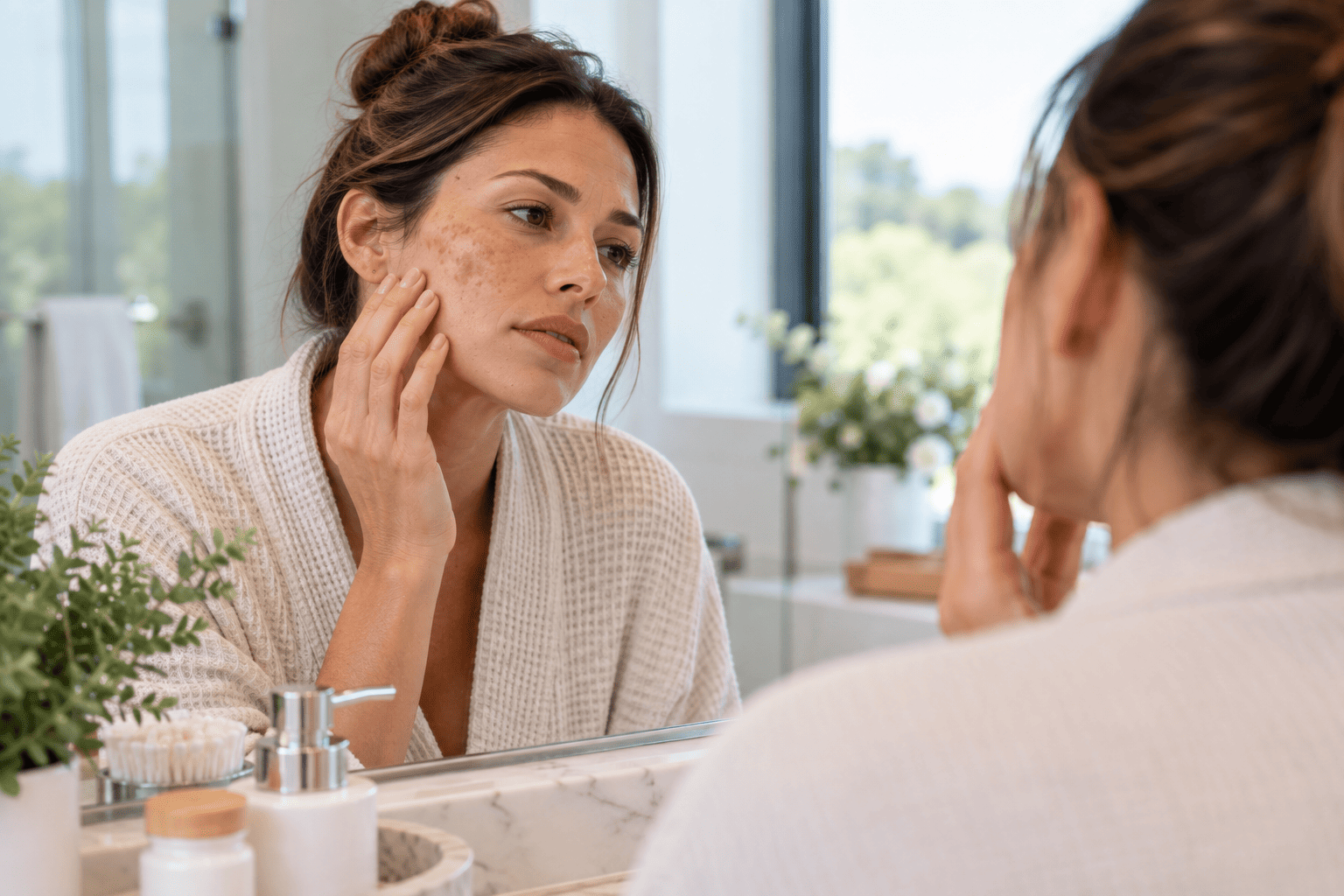
Dark spots have a way of appearing gradually, a little discoloration on the cheek here, a patch near the temple there, until one day you notice your skin tone looks less even than it used to. If you have been trying to figure out what is behind these marks and how to actually fade them, you are far from alone. Dark spots are one of the most common skin concerns people bring up, and thankfully, they are also one of the most treatable.
In Bentonville, Arkansas, strong seasonal sun exposure plays a major role in why so many people develop discoloration over time. Understanding the different causes behind dark spots makes it much easier to choose a treatment that actually addresses the source rather than just masking it with makeup.
What Causes Dark Spots to Form?
Dark spots, also called hyperpigmentation, happen when the skin produces excess melanin in certain areas. Several different triggers can cause this to happen.
Sun Exposure and UV Damage
This is by far the most common cause. Years of sun exposure without adequate protection can lead to what are commonly called sun spots or age spots, typically appearing on the face, hands, and chest where skin sees the most UV exposure over a lifetime.
Post Inflammatory Hyperpigmentation
After a breakout, cut, bug bite, or other skin irritation heals, it can leave behind a flat, darker mark. This is especially common after acne and tends to be more pronounced in medium to deeper skin tones.
Hormonal Changes
Melasma is a specific type of hyperpigmentation linked to hormonal fluctuations, often triggered by pregnancy, birth control, or hormone therapy. It typically appears as larger, symmetrical patches rather than small isolated spots and tends to be more resistant to standard treatment.
Natural Aging
As skin ages, melanin production can become less evenly distributed, leading to age spots that become more noticeable over time even without significant new sun exposure.
Are Dark Spots a Sign of Anything Serious?
Most dark spots are harmless and purely cosmetic. That said, any spot that changes shape, color, or size, or that looks different from your other pigmented areas, should be evaluated. Skin cancer screenings are outside the scope of cosmetic treatment, so if you notice anything unusual or concerning, seeing a dermatologist for an evaluation first is always the right call before pursuing cosmetic treatment.
How Are Dark Spots Treated?
The right treatment depends largely on what is causing the discoloration and how deep in the skin it sits.
Chemical Peels for Surface Pigmentation
Chemical peels work by removing the outer layers of skin where much of the visible pigmentation sits, encouraging fresh, more evenly toned skin to surface. Peels are especially effective for sun spots and post inflammatory marks that sit closer to the skin's surface.
Hydrofacials for Brightening and Renewal
Hydrofacials combine cleansing, exfoliation, and hydration in one treatment, helping to gradually improve the appearance of dullness and mild discoloration while supporting overall skin health. Many patients use hydrofacials as an ongoing maintenance treatment alongside more targeted pigmentation treatments.
ZO Skin Health for Long Term Correction
A ZO Skin Health regimen tailored to pigmentation concerns can make a significant difference over time by supporting even cell turnover and protecting against further sun damage. Since dark spots often keep reappearing without consistent home care, this daily maintenance piece is just as important as any in office treatment.
Addressing the Underlying Concern
Because dark spots fall under the broader category of pigmentation and skin discoloration, the most effective plans usually combine an in office treatment with daily sun protection and a consistent skincare routine built specifically for pigment correction.
How Long Does It Take to See Results?
Patience matters when treating dark spots. Surface level discoloration from sun exposure or old breakouts often responds within a few treatment sessions, while melasma and deeper hormonal pigmentation can take longer and may require ongoing maintenance to keep results stable. Skipping daily sunscreen is one of the fastest ways to undo progress, so consistent protection is part of every treatment plan.
Who Is a Good Candidate for Dark Spot Treatment?
Most people with sun related or post inflammatory dark spots are excellent candidates for treatment. Melasma can be more complex to treat and may respond better to a more conservative, gradual approach to avoid triggering additional pigmentation. A consultation helps determine which category your discoloration falls into and what a realistic treatment timeline looks like.
Why Sun Protection Matters More in Northwest Arkansas
Bentonville sees plenty of sunny days throughout the year, from spring visits to the Bentonville Farmers Market to summer afternoons on the trails. That means ongoing sun exposure is almost unavoidable, which makes daily SPF and a proactive skincare routine especially important for anyone working to fade dark spots or prevent new ones from forming.
Fading the Spots, Not Your Confidence
Dark spots can feel discouraging, especially when they seem to appear out of nowhere, but they are also one of the more responsive skin concerns when it comes to treatment. Whether your discoloration comes from sun exposure, old breakouts, or hormonal changes, there is a treatment approach built around your specific skin. The team at Glotologi Med Spa helps Bentonville patients build a plan that fades existing spots while protecting against new ones.
If you are ready to talk through your options, schedule a consultation to get started on a personalized plan.
Frequently Asked Questions
What is the most common cause of dark spots? Sun exposure is the most common cause of dark spots, though post acne marks and hormonal changes are also frequent contributors.
Can dark spots go away on their own? Some post inflammatory marks fade gradually over several months, but sun induced dark spots and melasma typically need active treatment and consistent sun protection to improve.
Are dark spot treatments safe for all skin tones? Many treatments can be adjusted for different skin tones, though your provider will recommend the safest and most effective option based on your specific skin type.
How can I prevent new dark spots from forming? Daily sunscreen use, avoiding picking at breakouts, and a consistent skincare routine are the most effective ways to prevent new dark spots.
Is melasma treated differently than sun spots? Yes. Melasma tends to be more resistant to treatment and often requires a more gradual, conservative approach compared to standard sun induced discoloration.