%201.avif)

What Really Happens Before and After a Chemical Peel?
Updated June 2026
If you’ve been curious about smoother skin, brighter tone, and that fresh post-treatment glow, chances are you’ve come across the idea of a chemical peel. It’s one of the most talked-about treatments in medical aesthetics, but knowing what to expect before and after can make all the difference in your results and overall experience.
What Is a Chemical Peel and Why Do People Get Them?
A chemical peel is a skin-resurfacing treatment that uses carefully selected solutions to exfoliate the outer layers of the skin. This process reveals healthier, smoother skin underneath while encouraging cell turnover.
People typically choose this treatment to improve:
- Uneven skin tone
- Fine lines and early signs of aging
- Acne and mild scarring
- Sun damage and dullness
In a growing wellness and medical aesthetics space like Bentonville, treatments like this are popular because they deliver noticeable results without surgery.
How Should You Prepare for a Chemical Peel?
Preparation is where great results begin. Your provider will guide you based on your skin type and the depth of the peel, but there are a few universal steps to keep in mind.
Pre-Treatment Essentials
In the weeks leading up to your appointment:
- Avoid excessive sun exposure
- Stop using retinoids or strong exfoliants
- Keep your skin hydrated with gentle products
- Inform your provider of any medications or skin sensitivities
If you're visiting a best aesthetic clinic in Bentonville, they may also recommend specific pre-treatment products to optimize your skin before the peel.
Why Preparation Matters
Proper prep ensures your skin responds evenly to the treatment. Skipping this step can lead to irritation or uneven results, which is the last thing you want when investing in your skin.
What Happens During Treatment?
The idea of applying a chemical solution to your skin might sound intense, but the actual process is straightforward and typically well-tolerated.
Step-by-Step Overview
- Your skin is cleansed thoroughly
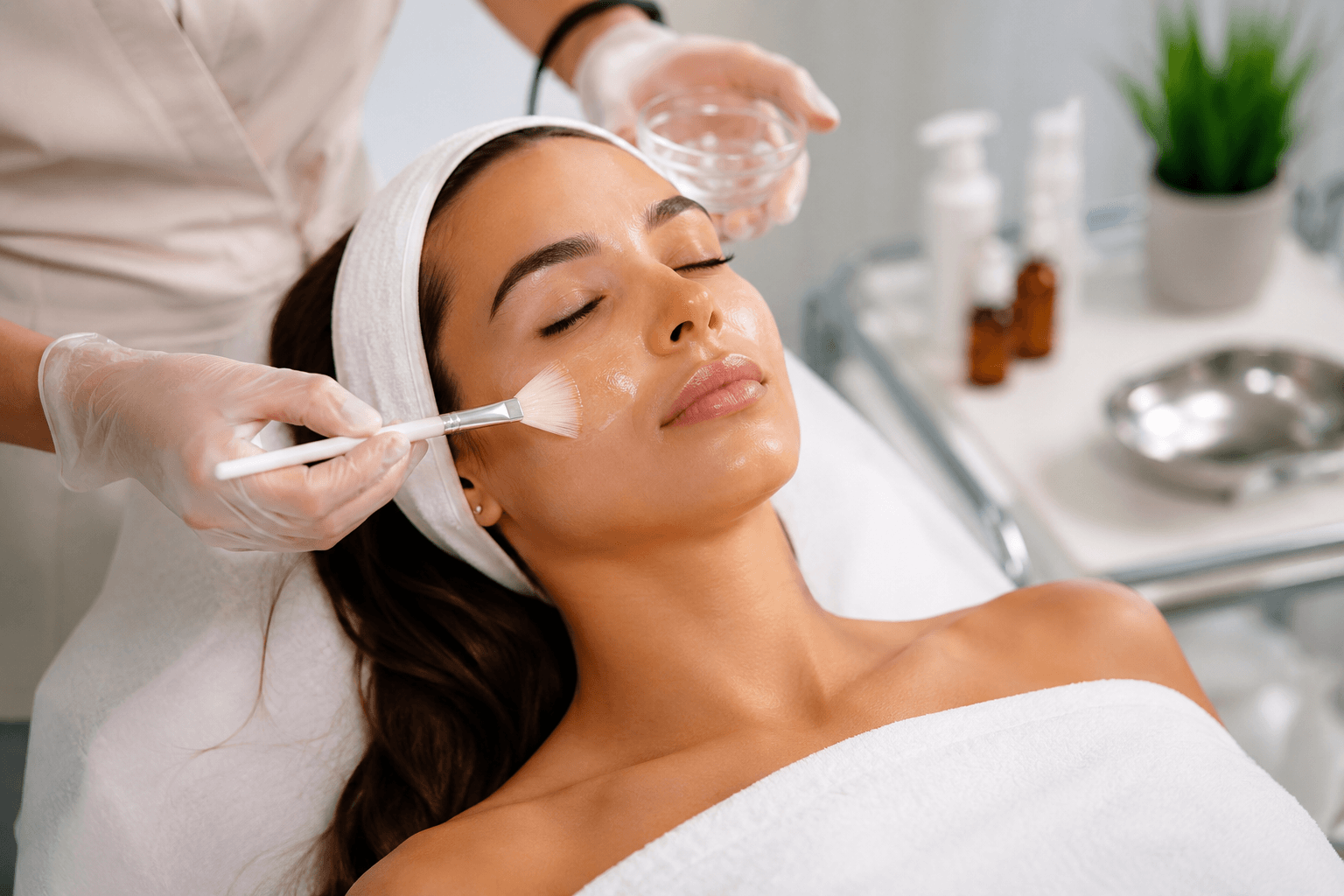
- The chemical solution is applied
- You may feel a mild tingling or warming sensation
- The solution is neutralized or removed after a set time
The entire session usually takes less than an hour, making it a convenient option for those with busy schedules.
Does It Hurt?
Most people describe the sensation as a slight tingling or warming feeling. Deeper peels may feel more intense, but providers prioritize comfort and safety throughout the process.
How Much Peeling Should You Expect?
Despite the name, not all chemical peel treatments result in dramatic peeling.
Light vs. Medium vs. Deep Peels
- Light peels: Minimal flaking, often barely noticeable
- Medium peels: Visible peeling for a few days
- Deep peels: More significant peeling and downtime
Your experience depends on the type of peel selected. Many modern treatments are designed to deliver results with minimal visible peeling, which is why they are so popular in today’s medical spa settings.
How Long Is Recovery?
Recovery time varies depending on the intensity of your treatment, but most people are pleasantly surprised by how manageable it is.
Typical Recovery Timeline
- Day 1–2: Skin may feel tight or slightly sensitive
- Day 2–5: Peeling or flaking begins
- Day 5–7: Skin starts to look smoother and more radiant
During this time, it’s important to:
- Avoid picking or peeling the skin
- Use gentle, hydrating products
- Apply sunscreen consistently
In Bentonville’s climate, sun protection is especially important after a chemical peel to prevent irritation and protect your results.
When Will You See Results?
Patience pays off with this treatment.
What to Expect
- Initial glow within a few days
- Improved texture and tone within one week
- Continued improvement over several weeks
Because the treatment stimulates skin renewal, your results will continue to develop over time. Many clients choose a series of treatments for optimal results.
What Skincare Products Should Be Avoided?
After your peel, your skin is more sensitive and requires extra care.
Avoid These Products Temporarily
- Retinoids and retinol
- Harsh exfoliants
- Strong acids like glycolic or salicylic acid
- Fragranced or irritating products
Instead, focus on gentle cleansers, soothing moisturizers, and broad-spectrum SPF.
If you're also exploring treatments like microneedling, it’s important to space them appropriately and follow professional guidance to avoid over-stressing your skin.
How Can You Maximize Your Results?
A great treatment is only part of the equation. What you do afterward plays a major role in your outcome.
Pro Tips for Better Results
- Stay consistent with sunscreen
- Follow your provider’s aftercare instructions
- Keep your skin hydrated
- Maintain a simple, gentle skincare routine
Why Chemical Peels Remain a Go-To in Medical Aesthetics
In today’s world of advanced medical aesthetics, chemical peel treatments remain a staple because they are:
- Versatile for different skin concerns
- Customizable for various skin types
- Effective without invasive procedures
They fit seamlessly into a broader wellness approach, helping individuals feel more confident in their skin without drastic measures.
Frequently Asked Questions
How often should you get a chemical peel?
Most people benefit from a chemical peel every 4 to 6 weeks, depending on their skin goals and the type of peel used. Your provider will recommend a schedule tailored to your needs.
Is a chemical peel safe for all skin types?
Modern chemical peel treatments can be customized for many skin types. A consultation at a qualified medical spa ensures the right formula is selected for your skin.
Can you wear makeup after a chemical peel?
It’s best to wait at least 24 to 48 hours before applying makeup. Giving your skin time to breathe helps improve healing and results.
How does a chemical peel compare to microneedling?
Both treatments improve skin texture and tone, but they work differently. Microneedling stimulates collagen through controlled micro-injuries, while a chemical peel exfoliates the skin’s surface. They can complement each other when used correctly.
Will your skin be sensitive after a chemical peel?
Yes, temporary sensitivity is normal. This is why gentle skincare and sun protection are essential during recovery.
Where can you get a chemical peel in Bentonville?
If you’re considering a chemical peel in Bentonville, choosing a reputable provider within a trusted medical aesthetics setting ensures safe treatment and optimal results.
Glow Now, Thank Yourself Later
A chemical peel is more than just a quick skin treatment. It’s a reset button for your complexion. From the preparation phase to the final results, understanding the process helps you get the most out of every session.
If you’ve been thinking about refreshing your skin, there’s no better time to explore your options in Bentonville’s growing medical spa scene. With the right approach and expert care, clearer, brighter skin is well within reach.