

Skin Whitening vs. Skin Brightening: What Actually Works for Dark Spots in Bentonville?
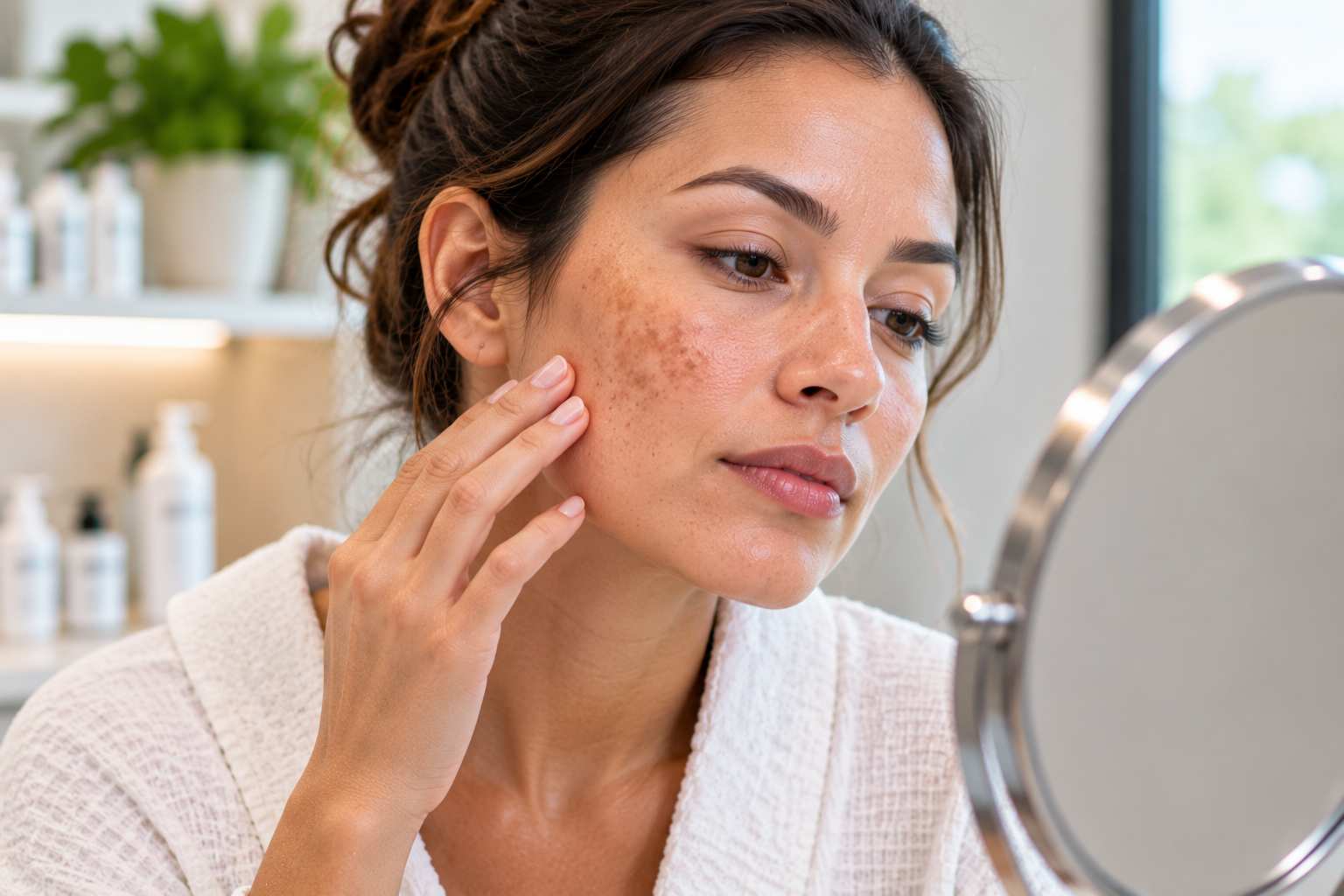
Type "skin whitening" into a search bar or scroll through skincare TikTok for five minutes, and you'll find everything from glowing before-and-after clips to imported creams that promise results in a week. The interest is real. Most people searching that term aren't trying to change their natural skin color. They want acne marks to fade, sun spots to soften, and their complexion to look even again.
That's an important distinction, because the safest, most effective approach is not whitening at all. It's treating the discoloration itself. Here's what that looks like, what to avoid, and how to approach it in a sunny place like Northwest Arkansas.
What Do People Usually Mean by Skin Whitening?
Most people who search for skin whitening are looking for a way to fade dark spots, post-acne marks, sun damage, or patchy tone, not to lighten their overall skin color. In clinical terms, that goal is usually called treating hyperpigmentation or brightening the complexion.
Hyperpigmentation happens when the skin produces extra melanin in certain areas. The result can be dark spots, patches, or an uneven tone. According to the American Academy of Dermatology's guide to fading dark spots, common triggers include acne flare-ups, eczema, healing wounds, irritating skin or hair products, certain medications, and hormonal changes such as pregnancy.
A medical aesthetics practice like Glotologi Med Spa focuses on that discoloration. The goal is a clearer, more even version of your natural skin, not a different shade of it.
Why Are DIY Skin Whitening Products Risky?
Some skin lightening creams sold online, through social media apps, or imported without regulation have been found to contain mercury or undisclosed steroids. These ingredients can cause serious harm to the person using them and even to people in the same household.
The FDA warns about mercury poisoning linked to skin products, advising consumers to check labels for words like "mercurous chloride," "calomel," "mercuric," "mercurio," or "mercury" and to stop using any product that lists them. The agency notes that these products are often sold illegally and that family members, including young children, can be exposed through vapors or shared towels.
The AAD gives similar advice: choose U.S.-made products or ones your skin care provider recommends, and never apply bleach to your skin.
Why Is This Especially Relevant for Gen Z?
Younger adults are more likely to discover skincare through short videos and influencer recommendations, which is where unregulated lightening products often get promoted. They're also dealing with acne at the same time, which means post-acne marks are a top concern.
If you're in your late teens or twenties and frustrated by lingering marks after breakouts, the most important step is calming the acne first. The AAD notes that when the underlying skin condition clears, spots often fade on their own. Harsh lightening products can irritate the skin and, ironically, trigger more pigmentation.
What Causes Dark Spots and Uneven Skin Tone?
Dark spots and uneven tone usually come from sun exposure, inflammation, hormonal shifts, or aging. Cumulative UV damage is one of the biggest contributors, and it tends to make existing pigmentation deeper over time.
Glotologi's pigmentation and skin discoloration page explains that treatment starts by identifying the source and depth of the discoloration. That step matters, because a sun spot, a post-acne mark, and a hormonally triggered patch don't always respond to the same approach.
How Do Hormones Affect Pigmentation in Women?
Hormonal changes, including pregnancy, can trigger or worsen pigmentation, particularly on the face. Women often notice patches that appear across the cheeks, forehead, or upper lip and seem to darken after time in the sun.
Because hormone-related pigmentation can be stubborn and may come back, it calls for a careful, gradual plan and consistent sun protection rather than aggressive treatment. A professional evaluation helps identify what's driving it.
What Are the Safer Alternatives to Skin Whitening?
The safer alternatives to skin whitening are professional treatments and medical-grade skincare that target excess pigment, support healthy cell turnover, and protect the skin from further damage. At Glotologi, plans are customized for gradual brightening while keeping the skin barrier healthy.
Can Chemical Peels Help Fade Dark Spots?
Yes. Chemical peels at Glotologi exfoliate the outer layers of skin to promote cell turnover, which helps reduce the look of discoloration, uneven tone, and sun damage. Peel strength and formula are tailored to your skin type and goals.
Light peels involve minimal downtime, while deeper peels may produce more noticeable change with more peeling. Most people get the best results from a series spaced several weeks apart.
How Does ZO Skin Health Support Brighter Skin?
ZO Skin Health is a professional-grade skincare line used to address hyperpigmentation, sun damage, acne, and uneven texture. A consultation is required before starting, so your regimen matches your specific concerns.
This is where much of the day-to-day progress happens. In-office treatments give your skin a boost, and a consistent home routine helps maintain it.
Is Microneedling Good for Hyperpigmentation?
Glotologi includes SkinPen microneedling among its treatments for pigmentation concerns. Microneedling creates tiny microchannels that support the skin's natural renewal process, which can help with uneven tone and texture over a series of sessions.
What About Hydrofacials for Dull Skin?
Hydrofacials cleanse, exfoliate, extract, and hydrate in one session, and Glotologi lists dullness and uneven tone among the concerns they address. There's no downtime, which makes them a good maintenance option between more targeted treatments.
Is Skin Brightening Safe for Darker Skin Tones?
Skin brightening can be safe for darker skin tones, but it requires extra care, because aggressive treatments can trigger new pigmentation. The AAD notes that dark spots are one of the most common reasons people with darker skin see a dermatologist, and it recommends working with a provider experienced in treating darker skin.
That's another reason to skip DIY lightening products and aggressive at-home peels. A conservative, customized plan is usually the better path.
How Long Does It Take to Fade Dark Spots?
Fading dark spots is gradual. The AAD notes that spots a few shades darker than your skin often fade within 6 to 12 months, while deeper discoloration can take longer.
Glotologi's pigmentation page also sets realistic expectations: improvement depends on the depth and cause of the discoloration, and maintenance plus sun protection are key to keeping results.
Why Does Sunscreen Matter So Much in Northwest Arkansas?
Sun protection is the foundation of any brightening plan, because UV exposure can undo progress and deepen existing spots. In Bentonville, where people spend long stretches outside on the trails, at youth sports, or around the downtown Square, daily sunscreen matters year-round.
The AAD recommends a broad-spectrum, water-resistant sunscreen with SPF 30 or higher, reapplied about every two hours outdoors. For people prone to dark spots, it suggests a tinted sunscreen containing iron oxide, which helps protect against visible light as well.
Brighter Days Ahead (No Bleach Required)
You don't need to change your natural skin tone to love your complexion. What most people want is clarity, evenness, and that rested glow, and those goals are reachable with the right plan and a little patience.
If dark spots, acne marks, or uneven tone have you searching for answers, book a skin consultation at Glotologi Med Spa in Bentonville. You'll get a personalized plan built around what's causing your discoloration, not a one-size-fits-all cream.
Frequently Asked Questions About Skin Whitening and Brightening
Does Glotologi offer skin whitening treatments?
Glotologi focuses on treating pigmentation and discoloration so your skin looks clearer and more even. Treatments are designed to fade spots and improve tone, not to lighten your natural skin color.
What is the difference between skin whitening and skin brightening?
Skin whitening usually refers to lightening overall skin color, often with unregulated products. Skin brightening targets dullness and dark spots to create a more even, radiant complexion while keeping your natural tone.
What is the best treatment for acne marks?
It depends on whether the marks are flat discoloration or textured scarring. Chemical peels and medical-grade skincare can help with discoloration, while microneedling is often used for texture. A consultation can determine which applies to you.
Can dark spots come back after treatment?
Yes. Sun exposure, hormonal changes, and new inflammation can cause spots to return. Daily sunscreen and a consistent skincare routine help protect your results.
Should a doctor look at a dark spot before it's treated?
Yes. Any spot that is changing, growing, bleeding, or looks different from your other spots should be evaluated by a medical professional before any cosmetic treatment.