%201.avif)

Skin Lesions & Unwanted Growths
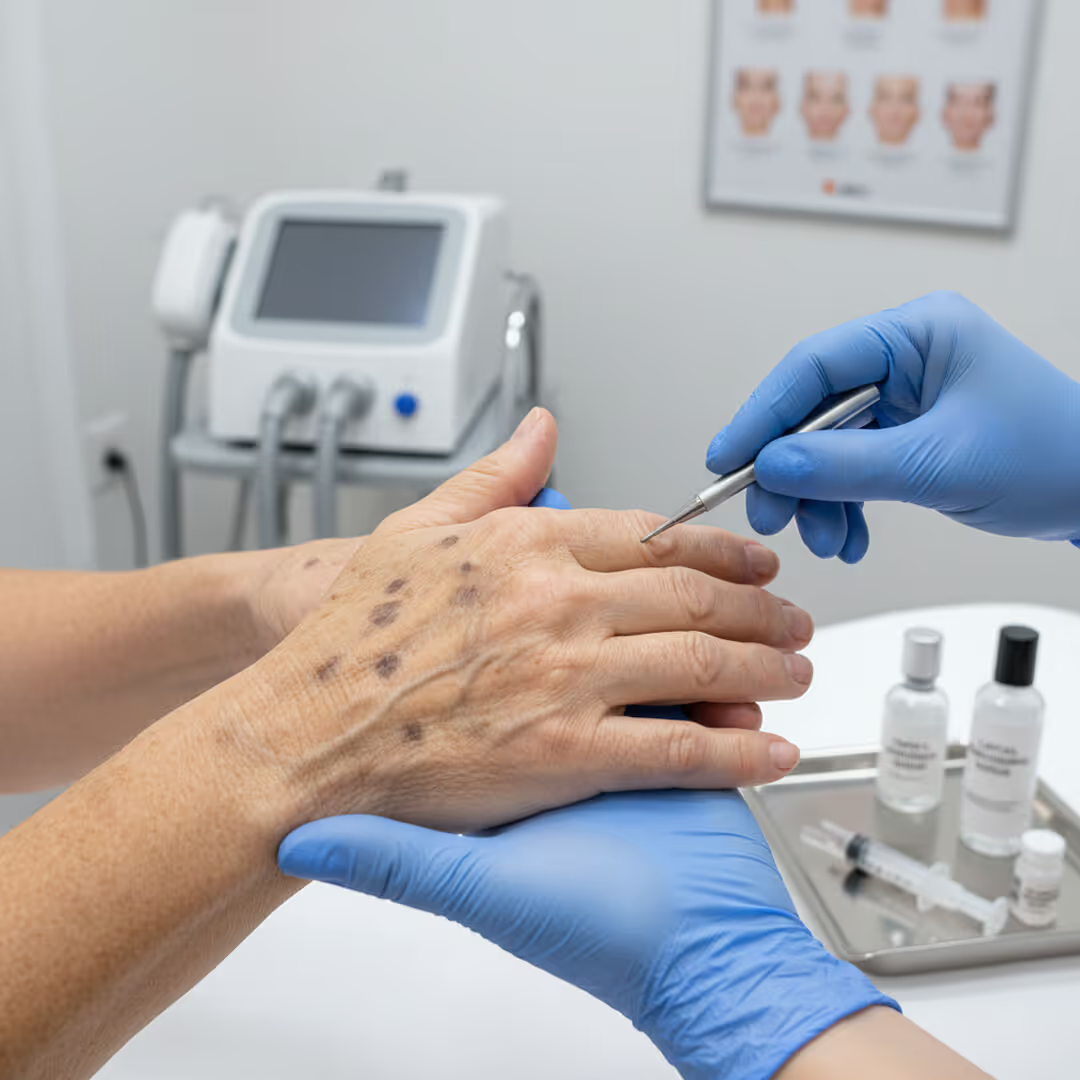
Why Lesions Develop
Skin lesions such as warts, skin tags, and precancerous spots can develop due to sun exposure, viral infections, or natural aging. While many are benign, some may cause irritation or cosmetic concern. Monitoring changes in size, color, or texture is important to determine appropriate care and ensure safety.
%201%20(1).avif)
How We Treat Skin Lesions
Cryosurgery is commonly used to freeze and destroy abnormal tissue with controlled precision. This minimally invasive approach targets unwanted growths while preserving surrounding healthy skin. Treatment is typically quick and performed in-office, with little disruption to daily activities.

Cryosurgery
A minimally invasive treatment that freezes and removes unwanted or precancerous skin lesions.
Schedule a Consultation
If you notice a new or changing lesion, a professional assessment can determine whether removal is recommended. Early evaluation ensures safe treatment and peace of mind.
What to Expect After Treatment
Following lesion removal, mild redness or blistering may occur as the treated tissue heals. The area typically resolves within days to weeks, depending on size and location. Most patients return to normal activities immediately, with minimal scarring when aftercare instructions are followed.
Before & After Results

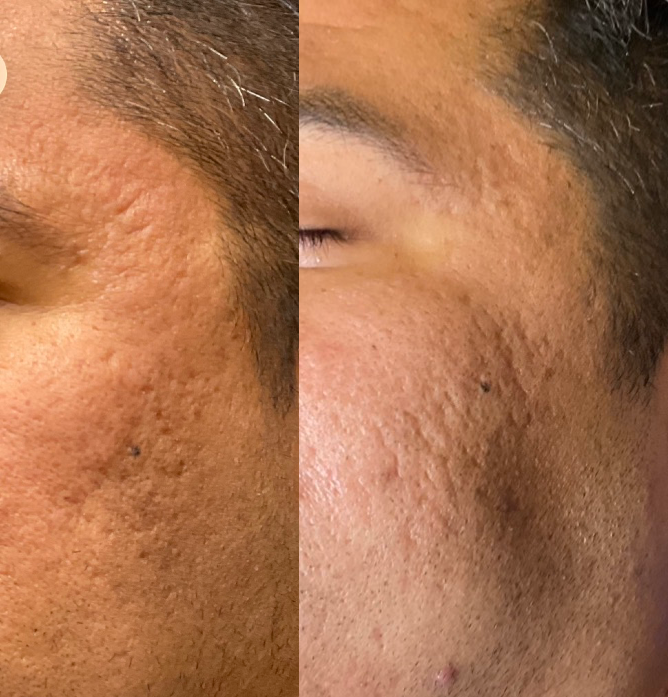
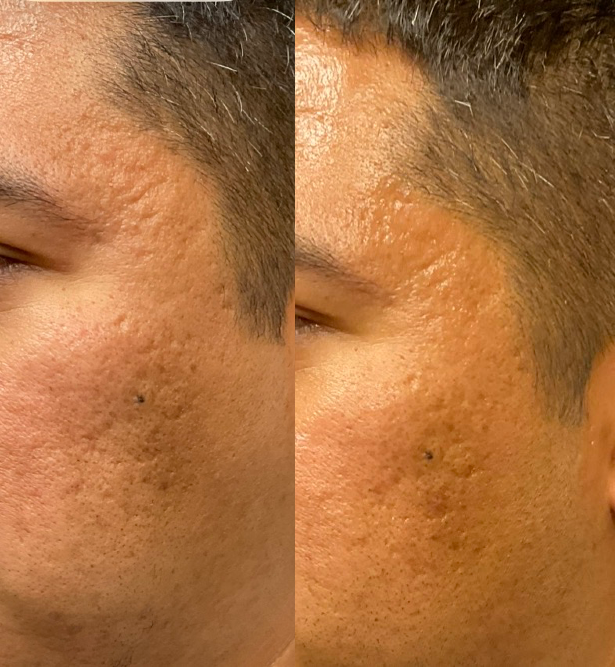
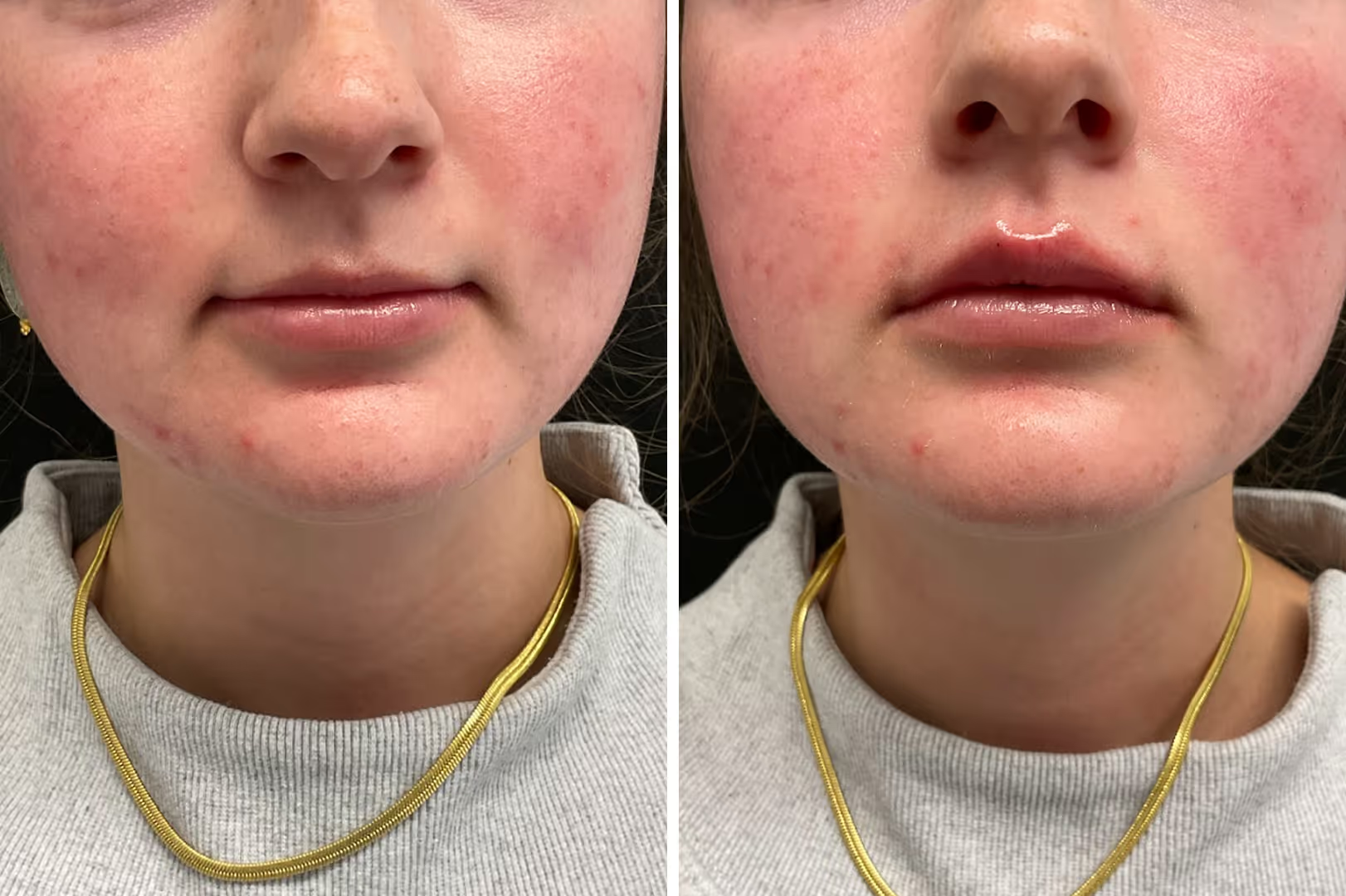
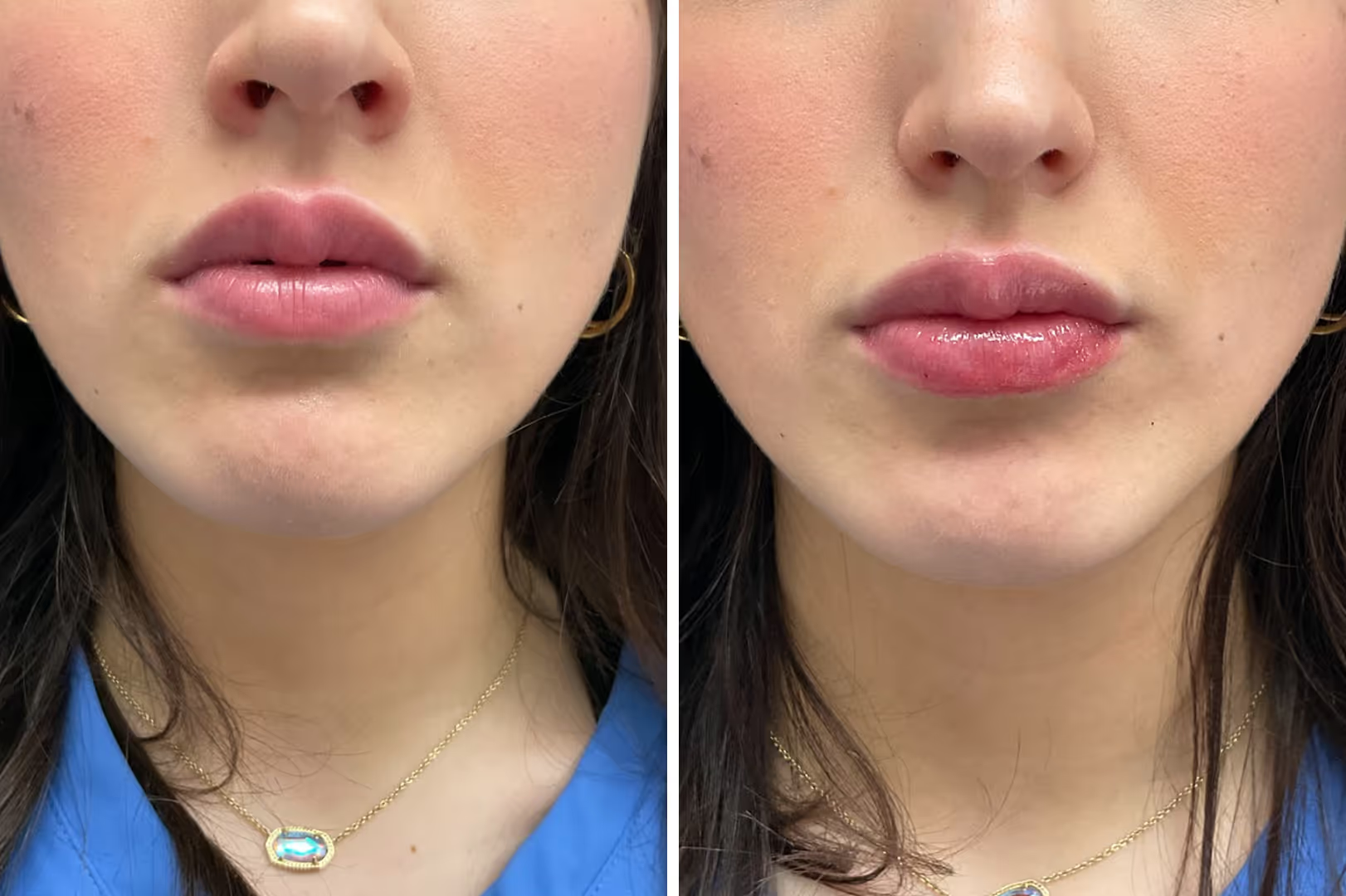
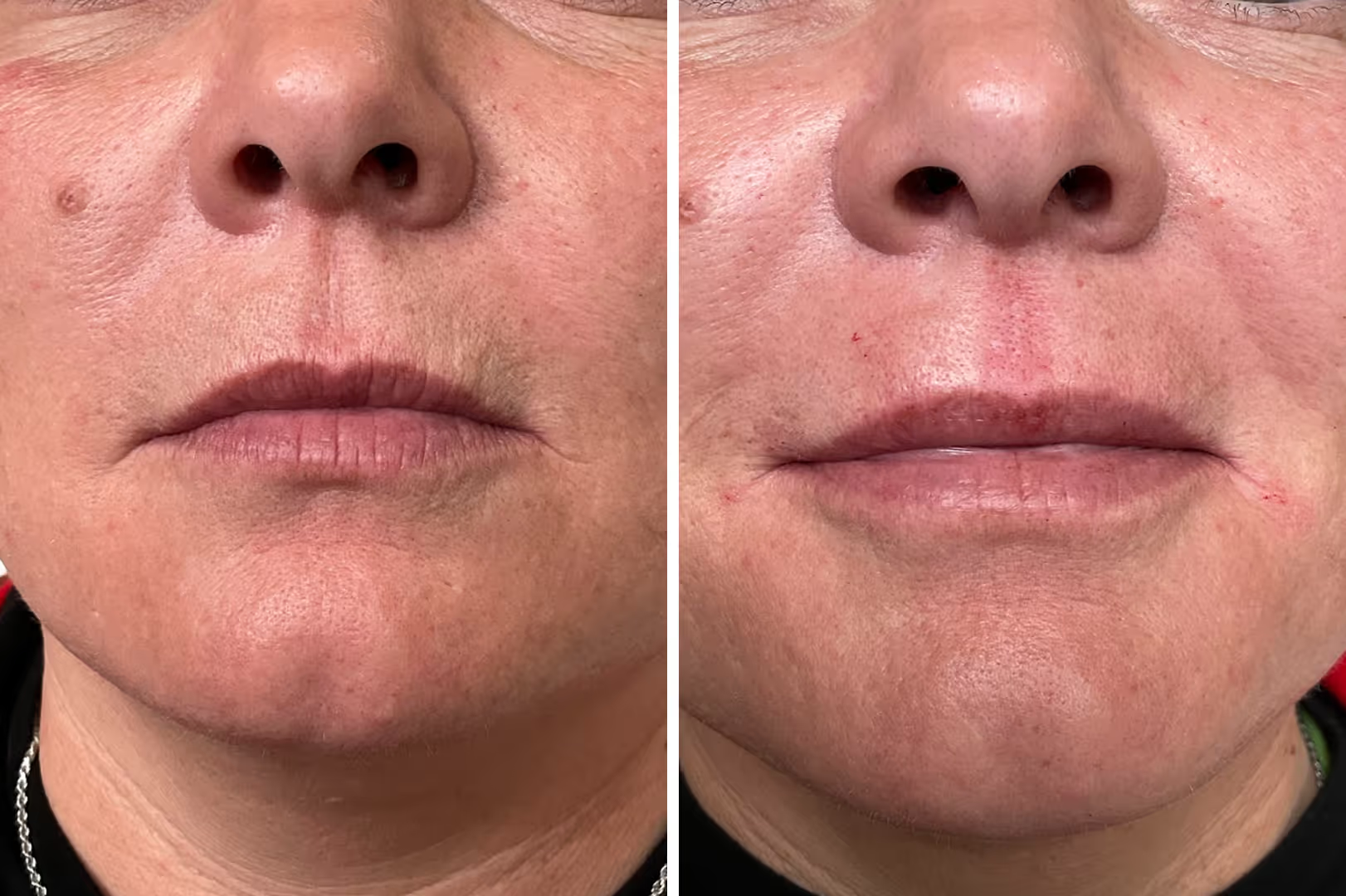
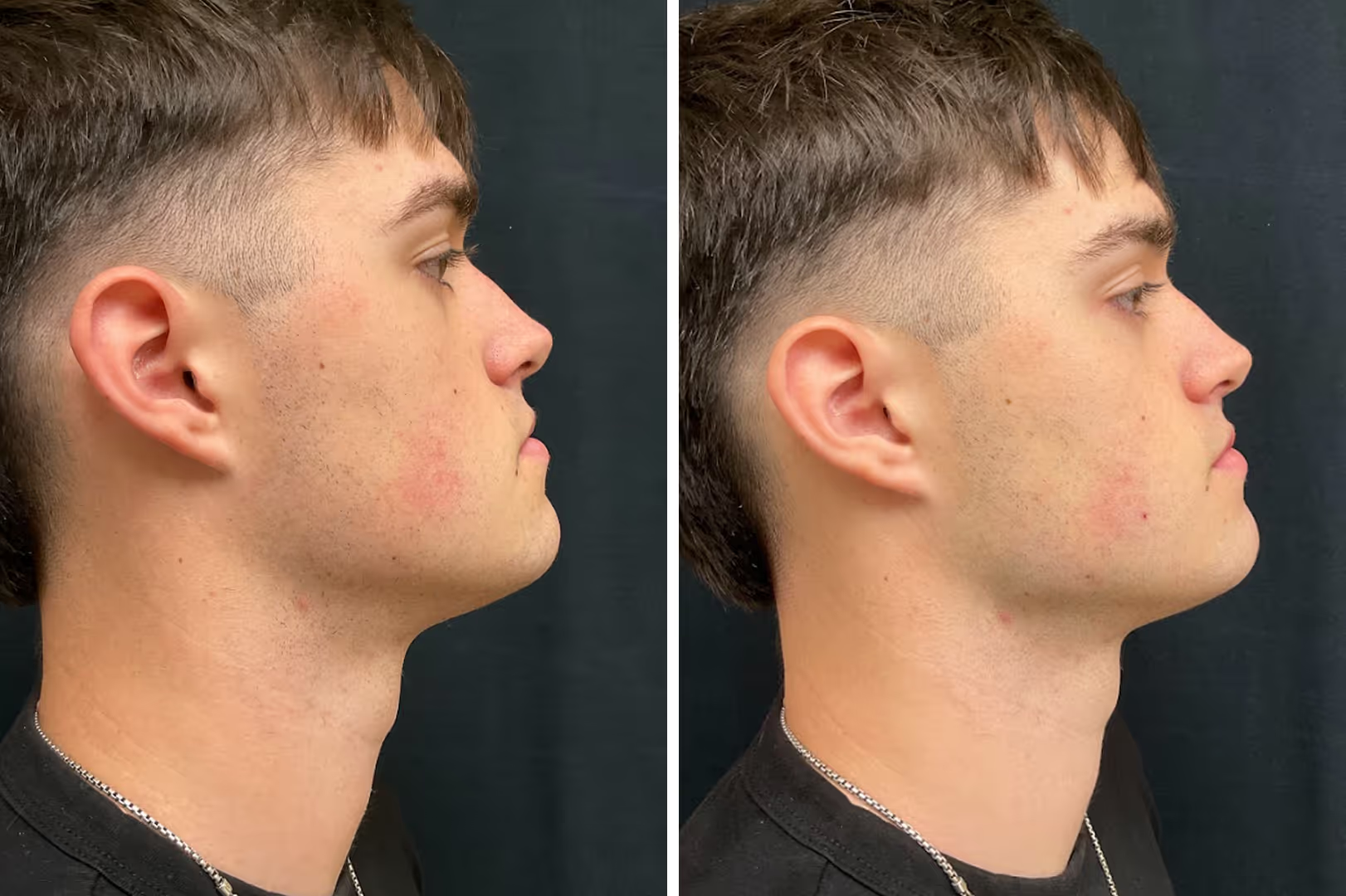
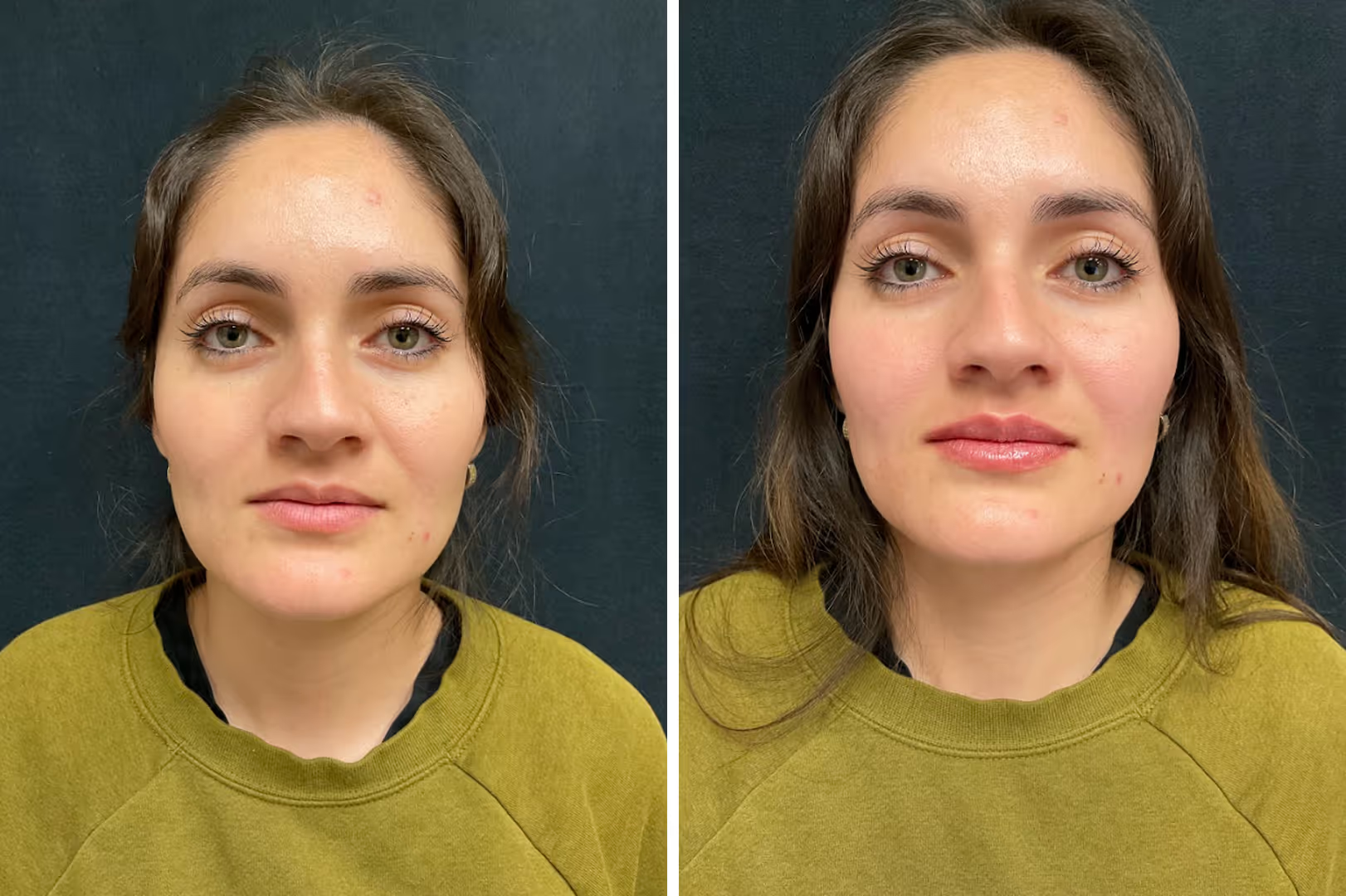

Any Questions?
Most patients experience mild stinging or burning during freezing, which quickly subsides after treatment.
Many insurance plans cover cryosurgery, especially if it is deemed medically necessary (e.g., for precancerous or cancerous lesions). It’s best to check with your insurance provider for specific coverage details.
Cryosurgery can treat a variety of skin lesions, including warts, skin tags, actinic keratosis, seborrheic keratosis, and some types of skin cancer (e.g., basal cell carcinoma)
Cryosurgery is safe for most areas of the body, but certain sensitive areas (e.g., eyelids, genital regions) may require special care or an alternative treatment.
Common side effects include redness, blistering, swelling, and temporary skin discoloration. Scarring is rare but possible, especially if the area is scratched or disturbed during healing.
Recurrence is uncommon when lesions are properly treated and monitored.